Saturday, 10 May 2025

5 hotel tepi pantai terbaik di area Jimbaran, Bali

 Berikut adalah 5 hotel tepi pantai terbaik di area Jimbaran, Bali, yang menawarkan kenyamanan dan pemandangan indah:


Four Seasons Resort Bali at Jimbaran Bay

Resor mewah ini menampilkan vila-vila bergaya desa tradisional Bali dengan kolam renang pribadi. Terletak langsung di tepi Teluk Jimbaran, menawarkan pemandangan laut yang memukau dan akses mudah ke pantai. Fasilitas unggulan termasuk Sundara Beach Club dengan kolam renang sepanjang 57 meter dan restoran tepi pantai.


AYANA Resort and Spa, BALI

Terletak di atas tebing dengan pemandangan Samudra Hindia, AYANA menawarkan berbagai pilihan akomodasi, termasuk vila pribadi dan hotel bintang lima. Fasilitas lengkap mencakup 14 kolam renang, 22 restoran, dan akses ke pantai pribadi Kubu Beach.


InterContinental Bali Resort

Berada langsung di tepi Pantai Jimbaran, resor ini menawarkan kamar dan suite mewah dengan pemandangan taman tropis atau laut. Fasilitas termasuk kolam renang, spa, dan beberapa pilihan restoran.


Le Méridien Bali Jimbaran

Hotel bintang lima ini hanya berjarak beberapa langkah dari Pantai Jimbaran. Menawarkan kolam renang laguna yang luas, spa, dan restoran dengan berbagai pilihan kuliner internasional.


Karma Jimbaran

Terletak di dekat Pantai Muaya Jimbaran, Karma Jimbaran menawarkan vila-vila mewah dengan kolam renang pribadi dan taman tropis. Desain vila menggabungkan elemen tradisional Bali dengan kenyamanan modern, cocok untuk liburan keluarga atau pasangan.

Friday, 29 November 2024

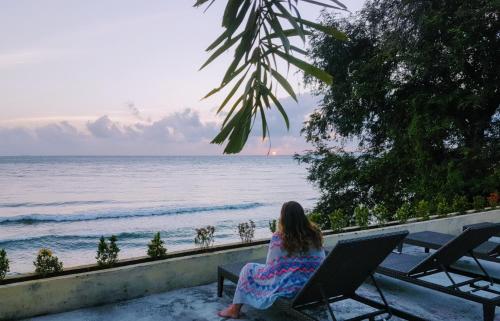
Ocean Resort Amed, Bali, Indonesia


Ocean Resort Amed, Bali, Indonesia

Ocean Resort Amed adalah penginapan menawan yang terletak di kawasan Amed, Bali, sebuah destinasi yang terkenal dengan keindahan pantainya dan kehidupan bawah laut yang memukau. Resor ini menawarkan suasana tenang dan nyaman dengan pemandangan langsung ke laut, menjadikannya pilihan sempurna untuk pelancong yang mencari relaksasi atau petualangan snorkeling dan menyelam.

Fasilitas dan Kenyamanan

  • Akomodasi Nyaman: Beragam kamar dan bungalow bergaya tradisional Bali dengan sentuhan modern, dilengkapi dengan fasilitas seperti AC, Wi-Fi, dan balkon pribadi yang menghadap ke taman atau laut.
  • Kolam Renang: Kolam renang outdoor dengan pemandangan langsung ke Samudra Hindia, ideal untuk bersantai.
  • Restoran: Menyajikan hidangan lokal dan internasional, dengan menu seafood segar dan pilihan vegetarian.
  • Aktivitas: Resor ini menawarkan akses langsung ke pantai untuk snorkeling, menyelam, atau sekadar menikmati matahari terbenam yang memukau.

Lokasi Strategis

Ocean Resort Amed berlokasi strategis di sepanjang pantai Amed, dekat dengan lokasi menyelam terkenal seperti bangkai kapal USAT Liberty di Tulamben, dan hanya beberapa jam berkendara dari Bandara Internasional Ngurah Rai. Area sekitarnya juga dipenuhi dengan desa tradisional Bali yang menawarkan pengalaman budaya autentik.

Dengan pemandangan indah, pelayanan ramah, dan berbagai aktivitas yang bisa dinikmati, Ocean Resort Amed adalah tempat yang ideal untuk menikmati keindahan alami dan ketenangan Bali.

Thursday, 24 October 2024

Mangening Temple

Mangening Temple

When we think of Bali, the island often conjures images of pristine beaches, lush landscapes, and numerous temples steeped in history and tradition. Among these sacred sites is Mangening Temple, located in the tranquil village of Saraseda, Tampaksiring, in Gianyar Regency. This temple is not just a spiritual landmark but also a cultural heritage site that offers visitors a peaceful retreat and a glimpse into Bali’s rich religious and architectural history.

Mangening Temple is nestled in a serene environment surrounded by cool air and natural beauty, providing a calm and quiet atmosphere for those who seek a more tranquil experience in Bali. Officially recognized as a cultural heritage site under Bali Provincial Law No. 05/1985, Mangening Temple has become a key destination for both spiritual pilgrims and tourists alike. As visitors approach the temple, they are required to descend a series of steps to reach the outer courtyard. This area is home to crystal-clear pools of water, which are fed by natural springs that flow from the roots of towering trees and surrounding cliffs. The purity and tranquility of these pools offer a peaceful introduction to the sacred space ahead.

To reach the main temple, visitors need to climb another set of stairs, as the Utama Mandala (the most sacred area) is located at a higher elevation. Inside the temple, one of the prominent structures is the three-tiered Meru, a multi-roofed shrine, which was once the site where a lingga-yoni statue was discovered. The lingga-yoni represents the harmonious union of male and female energies, a central symbol in Balinese Hinduism. The temple's architectural layout follows the traditional Balinese concept of Tri Mandala, which divides the temple into three distinct zones: Nista Mandala (the outermost zone), Madya Mandala (the middle zone), and Utama Mandala (the innermost and most sacred zone).

In the Nista Mandala, visitors can enjoy the sight of a lush garden adorned with five fountains, creating a serene and meditative environment. Moving deeper into the Madya Mandala, several traditional Balinese structures can be found, such as the Bale Gong (a pavilion for musical performances), Bale Kulkul (which houses a wooden drum used for communication), Bale Pegambahan, and Bale Pegat. The Utama Mandala, the most sacred part of the temple, contains important shrines, including the three-tiered Meru, Gedong, Bale Paselang, Bale Pecanangan, Bale Saka Ulu, and Bale Penganteb. Each of these structures plays a significant role in Balinese spiritual practices.

While there is no precise historical record of Mangening Temple's origins, inscriptions and artifacts found at the site suggest that it dates back to the Masula-Masuli period in Pejeng, which points to its ancient and long-standing cultural significance. This connection to Bali’s past makes it a meaningful site for those interested in the island’s religious heritage.

The local community around the temple primarily relies on agriculture for their livelihood, although many also work as traders or employees in other sectors. In recent years, with the temple’s growing popularity as a tourist destination, several facilities have been established to accommodate visitors. These include food and drink stalls, temple guides, and ample parking space.

If you're planning a visit to Mangening Temple, it is about a 90-minute drive from Denpasar, covering a distance of roughly 37 kilometers. The journey offers a scenic route through Bali’s countryside, and once you arrive, the temple’s cool air, natural beauty, and serene atmosphere provide a refreshing and peaceful escape.

Mangening Temple is not only a place for spiritual reflection but also a destination where visitors can appreciate the harmonious blend of nature and Balinese architecture, making it a must-see for anyone exploring the cultural treasures of Bali.

Tuesday, 22 October 2024

The Nyepi Rituals

NYEPI (Day of Silence)
IS NOT JUST A RITUAL MEMORIAL

Nyepi is a Balinese "Day of Silence" that is commemorated every Isakawarsa (Saka new year) according to Bali's calendar (in 2014, it will be on March 31). It is a day of silence, fasting, and meditation. The day following Nyepi is also celebrated as New Year
Observed from 6 a.m. until 6 a.m. the next morning, Nyepi is a day reserved for self-reflection and as such, anything that might interfere with that purpose is restricted. The main restrictions are: no lighting fires; no working; no entertainment or pleasure; no traveling; and for some, no talking or eating at all. The effect of these prohibitions is that Bali’s usually bustling streets and roads are empty, there is little or no noise from TVs and radios, and few signs of activity are seen even inside homes. The only people to be seen outdoors are the Pecalang, traditional security men who patrol the streets to ensure the prohibitions are being followed.
Although Nyepi is primarily a Hindu holiday, non-Hindu residents of Bali observe the day of silence as well, out of respect for their fellow citizens. Even tourists are not exempt; although free to do as they wish inside their hotels, no one is allowed onto the beaches or streets, and the only airport in Bali remains closed for the entire day. The only exceptions granted are for emergency vehicles carrying those with life-threatening conditions and women about to give birth.
On the day after Nyepi, known as Ngembak Geni, social activity picks up again quickly, as families and friends gather to ask forgiveness from one another, and to perform certain religious rituals together.

Rituals
  • First, The Melasti Ritual is performed at the 3-4 previous day. It is dedicated to Sanghyang Widhi Wasa and is performed at the beach to respect them as the owner of The Land and Sea. The ritual performed in Pura (Balinese temple) near the sea (Pura Segara) and meant to purify Arca, Pratima, and Pralingga (sacred objects) belongs to several temples, also to acquire sacred water from the sea. For area that are located far from the sea,the ritual was carried out on the lake or river that is The Melasti Ritual is a symbol of respect for the water which serves to purify the body and mind as well as to providing welfare to all beings
The Melasti Ritual
The Melasti Ritual

  • Second, The Bhuta Yajna Ritual is performed in order to vanquish the negative elements and create balance with God, Mankind, and Nature. The ritual also meant to appease Batara Kala by Pecaruan offering. Devout Hindu Balinese villages usually make ogoh-ogoh, demonic statues made of bamboo and paper symbolizing negative elements or malevolent spirits. After the ogoh-ogoh have been paraded around the village, the Ngrupuk ritual takes place, which involves burning the ogoh-ogoh. Bhuta is a sysbol of strength of the two characters that are good and bad t the same time, a ritual to remind people that there is a force to be selected and used as needed, bed power should be kept away even eredicated from the human, specially on the ave of Nyepi day, the form of this ritual is ogoh-ogoh parade aroud the village, which ended with the burning of those ogoh-ogoh on the beach.
The Bhuta Yajna Ritual

ogoh-ogoh
Ogoh-ogoh

  • Third, The Nyepi Rituals is performed with the following conditions:
    • Amati Geni: No fire/light, including no electricity
    • Amati Karya: No working
    • Amati Lelungaan: No travelling
    • Amati Lelanguan: Fasting and no revelry/self-entertainment
The Nyepi Rituals
The Nyepi Rituals
A day after the Bhuta Yadnya ritual, it is believed that the evel spirit have been far away from the human, which left only the noble qualities, so at the time of Nyepi the body and the mind are appeased by yoga meditation, providing opportunities for godlikes qualities to ties of body and mind are free, free to unite with pure power of universe.
  • Fourth, The Yoga/Brata Ritual starts at 6:00 AM and continues to 6:00 AM the next day. The goal of spiritual achievement is awareness, awareness is the third elements among the element of body and soul. Body consist of several elements that mattually bind themselves to each other where necessary the axistence of two opposite caracters of positive and negative, and element of the soul also has such two caracters of devinity and the evil.Spiritual activities can be started by learning body awareness , followed by learning of mind awareness that will ultimately transformed into soul and permanent awareness at the end, and the Nyepi Day is dedicated for universe awareness activities.
  • Fifth, The Ngembak Agni/Labuh Brata Ritual is performed for all Hindus to forgive each other and to welcome the new days to come. On this day, Hindu community in Bali is usually held an impromptu market where people meet with relatives and neighbors to forgive each other with joy.
  • Sixth and finally, The Dharma Shanti Rituals is performed after the Nyepi Day or "Day of Silence.". Community groups or componies often invite religious speaker to provide spiritual enlightenment to equalize the differences between their perceptions that  occur in the last year, as well as to talk about the significance of religious and moral teachings and how its implementation in the global life and career.


Tuesday, 9 June 2015

Keraton Jimbaran Beach Resort

Keraton jimbaran beach resort

Keraton Jimbaran Beach Resort is an elegant beachfront property that honours Bali’s cultural and artistic legacy with a collection of 102 guest rooms and private villas. The property is set within a mature tropical garden and has direct access to the pristine white sands of Jimbaran Bay.
It is a place where travellers can truly unwind in an exotic setting that is considerably removed from the trappings of mainstream tourism. Keraton Jimbaran Beach Resort  celebrates living life to the fullest and taking each new day simply as it comes.
More information click here

Exceptional Dining Experience

Joglo restaurant

Joglo Restaurant, the restaurant at Keraton Jimbaran Resort & Spa gives culinary experience that takes you on a full flavoured journey.
Choose from our signature dishes to satiate your appetite with range of specialities from local delights to International cuisine. Our menus are driven by the freshest ingredients and seasonal products to create dishes that will entice you coming back for more.


Celebrations of The Heart

Wedding ceremony


With its native Balinese gardens and pristine stretch of white sand beach, Keraton Jimbaran Resort & Spa provides an idyllic venue for your destination wedding. It is a place to celebrate in style before your dearest friends and loved ones. Exchanging your vows beneath the tropical blue skies of Bali will make for an unforgettable day to treasure always.

Facilities and Actifities
An elegant, boutique style resort hosting 102 elegant rooms with 3 suites and 6 villas.
All rooms have private bathroom and balconies, individually controlled air conditioning and television with parabola, direct dial telephone with I.D.D, safety box, fridge, hair dryer and room service.

Beach Activities


beach-beach-volleyball

The exclusive location of the Keraton Jimbaran Resort & Spa on Jimbaran Bay offers complete seclusion on one of the best white sand beaches in Bali, where evenings bring spectacular sunsets. Very tastefully designed resort, and swimming in its swimming pool has to be experienced to be believed. Even if you are staying at another Resort this time, we recommend to visit the Resort and its pool, it makes a nice day trip, and you probably ending up wanting to stay there next time. If you like walks on the beach at sunset time this is the place for you, within walking distance there are many inexpensive but excellent grilled seafood restaurants.

Guest Activities
You will never get bored while staying with us. We have arranged many activities for our in-house guests and you also may have experience of shopping in traditional market.
Recreational Facilities
•    Beach Volley Ball
•    Rental Cars
•    Swimming Pool
•    Chess

Meeting Facilities
Book business conference Venues at Keraton Jimbaran Resort & Spa. Your every need will be taken care of during the events by a dedicated team who are well versed in the art of Balinese hospitality. All of our personalized services will ensure that your events with us at Keraton Jimbaran Resort & Spa is successfully plan.
Meeting Facilities:
•    Flip chart
•    Laser Pointer
•    LCD Projector & Screen
•    Meeting Room
•    Microphones, 2 wireless & 2 cable
•    Note pad and Pen
•    Registration Table
•    Sound System
•    Water and Mints
•    Wi-Fi Internet in the meeting room

Wednesday, 22 May 2013

Art Centre


Werdhi Budaya Park


Werdhi Budaya Park (Art Center), located on Nusa Indah Street, Denpasar, Bali, is one of the largest and most comprehensive cultural performance centers in Bali. This venue hosts the Bali Arts Festival, held annually for a full month, starting on the first Saturday night in June. The cultural park was designed by renowned Balinese architect Ida Bagus Tugur, with architecture inspired by Balinese temples and royal palaces.

Art Centre
The Art Center is divided into four main areas:

  1. Sacred Complex, which includes: Taman Beji Temple, Selonding Pavilion, Pepaosan Pavilion, and others.
  2. Quiet Complex, which includes the Widya Kusuma Library.
  3. Semi-Public Complex, including the Mahudara Exhibition Hall, Craft Building, Sculpture Studio, Guesthouse for Artists, and Wantilan Hall.
  4. Bustling Complex, which includes the open stage Ardha Chandra and the covered stage Ksirarnawa, both located south of the river.

Tuesday, 21 May 2013

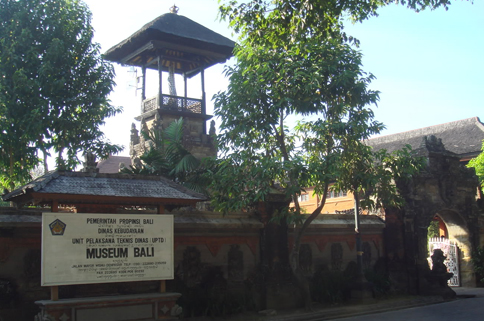
Bali Museum


Bali Museum
Museum Bali 

Museum Bali is one of the ancient buildings that has remained well-preserved until today. It is located in the center of Denpasar city, precisely to the east of Puputan Badung Square, adjacent to the Jagatnatha Temple. The museum building stretches from north to south and is divided into two parts. The northern section is a complex of ancient buildings that were planned and built in 1910.

Museum Bali houses various legacies of the past, focusing on human history and ethnography. Its collection consists of ethnographic objects such as tools and equipment for daily life, artworks, religious artifacts, and manuscripts that reflect the life and cultural development of Bali.

The museum holds a total of 10,506 recorded collections, including manuscripts and copies. These collections were acquired through purchases from the community, art shops, as well as gifts and donations. Some collections currently being inventoried include stupas with hundreds of components, 8.5 kg of kepeng coins, ceramics from Europe and China, and porcelain from Japan, China, and Siam.

The Bali Museum building follows the Tri Mandala concept, which consists of the Nista Mandala (outer area), Madya Mandala (middle area), and Utama Mandala (main area).

In the Utama Mandala, there are three main buildings:

  1. Tabanan Building, a pavilion with typical architecture from Tabanan Regency, housing antiquities such as artworks, accessories, household items, ceremonial tools, and a variety of traditional weapons.
  2. Buleleng Building, a structure with North Bali-style architecture, containing household tools, craft equipment, agricultural and fishing tools, entertainment devices, and primitive sculptures made from clay, stone, and other materials.
  3. Karangasem Building, a building with East Bali-style architecture, storing prehistoric objects, archaeological artifacts, ethnographic items, as well as some modern paintings.

Open: Sunday to Thursday from 8:00 to 15:00 and Friday from 08:00 to 12:30


Monday, 20 May 2013

Brahmavihara Arama

Brahmavihara Arama
Brahmavihara Arama


Brahmavihara-Arama, better known by the name of Buddha banjar monastery which is the biggest Buddha monastery in Bali. It is in a hilly area in the village tegeha banjar, banjar district, 22 km west Singaraja and 11 km from the tourist area of Lovina. With a quiet and calm atmosphere. We can look directly to the beach lovina, atmosphere of this makes the monastery Buddha this become strong appeal for tourists, both foreign tourists and domestic. Outline the monastery complex consists of 5 important, namely:

Uposatha Gara

Located on the west summit, a comfortable and quiet room. On the walls were carved panels birth of the Buddha, and in the middle there is a statue of the Buddha in a state of achieving nirvana. This room functions for the inauguration of the Bhiku samanera (candidates Bhiku), an early stage for the next training session.

Dharmasala

Sort of lecture halls located on the east. In this place the Bhiku conduct worship services, giving sermons, and this place is also used as a place to do all spiritual activity.

Stupa

A building that resembles a giant bell located in the Northwest corner, which all sides are made of concrete with a very impressive relief.

Tree Body

In the southwest corner of the building there is a large tree called the tree body, which is around the tree decorated with reliefs. This place is a symbol of the victory of the Buddha at the time he reached the Buddha sammia (the eternal perfection).

Kuti

Kuti is the residence of the Bhiku and students who are studying and this place is also sometimes used as a practice site of the Bhiku.

In the monastery complex there are some Buddha statues that adorn every corner of the garden or room. There are two very interesting Buddha statue is a statue of the Buddha statue parinirwana and are achieving the Sama or moksha in Hindu religious terms.


Sunday, 19 May 2013

Explore the Wonders of Bedugul

Beratan Temple


Bedugul is a stunning tourist destination nestled at an elevation of approximately 1,240 meters above sea level in the Baturiti Subdistrict of Tabanan Regency, Bali. Known for its cool mountain air and breathtaking landscapes, Bedugul is a favorite getaway for both local and international visitors seeking tranquility and natural beauty.

The area is home to two iconic attractions: the Bedugul Botanical Gardens and Lake Beratan. The Bedugul Botanical Gardens showcase an impressive collection of flora from around the world, while the serene Lake Beratan, with its famous Ulun Danu Temple, offers visitors a picture-perfect setting amidst the backdrop of lush mountains.

Whether you're seeking adventure, relaxation, or a family-friendly outing, Bedugul promises an unforgettable experience of Bali’s natural splendor from a unique, elevated perspective.

Bedugul botanical garden
Bedugul Botanical Garden 


The Bedugul Botanical Garden is a delightful tourist destination, known for its cool climate with temperatures averaging around 18°C at night and 24°C during the day. The garden is home to a wide variety of protected plant species, most of which are native to Indonesia, while some species from other countries are also preserved here. Due to its vast area and the availability of recreational activities, the garden is frequently used as a family outing spot and a venue for corporate events by companies in Bali.

Beratan Lake
Lake Beratan
Lake Beratan


To the north of the Bedugul Botanical Garden lies Lake Beratan, the second largest lake on the island of Bali. In the middle of the lake stands a temple, and when the water level rises, the temple becomes partially submerged, with only a few walls remaining above the surface. Surrounding the temple, visitors can enjoy recreational activities and various wildlife attractions managed by local residents. You can take photos with pythons, parrots, monkeys, and other wildlife species. There is also a boat rental service at the lakefront, allowing visitors to explore the lake. For those interested in a traditional boating experience, local fishermen offer affordable rides around the lake in traditional boats.

Thursday, 16 May 2013

Narmada Baliraja Park


Narmada Baliraja Park

Narmada Baliraja Park is a royal heritage site located in the village of Tamanbali, Bangli Regency, Bali. This historical park, spanning approximately 50 acres, is surrounded by lush rice fields, creating a tranquil and picturesque setting. Within the park, visitors will find serene ponds and places of worship, including a temple called Kawitan Maha Gotro Tirta Harum. This temple holds significant cultural and spiritual value for the local community, and is an integral part of the park’s charm. The park also houses temples built by the subak organization, a traditional Balinese irrigation system. These temples, known as subak temples, are located to the west of the Kawitan Maha Gotro Tirta Harum temple and play an important role in the spiritual life of the surrounding farming community.

One of the park’s notable features is the Gold Bale building, a historical structure that underwent renovations in 1986, led by the residents of Tamanbali. This renovation effort has helped preserve the building, enhancing its appeal as a cultural attraction. Narmada Baliraja Park is rich in history and heritage, offering a unique glimpse into Bali’s royal past while also serving as a beautiful setting for relaxation and recreation.

The park has great potential to be further developed as a tourist destination, especially for activities such as fishing, cycling, and nature exploration. Visitors will be delighted by the park’s natural beauty, and the various facilities available make it an ideal spot for a day out in the fresh air. The park’s location, surrounded by scenic landscapes, offers an immersive experience for those who enjoy outdoor activities, with cycling paths allowing visitors to explore the rural surroundings.

Tamanbali Village, where the park is located, serves as a strategic connection between the tourist destinations in Gianyar and Bangli Regencies. The village has modern infrastructure, including access to electricity and clean water, ensuring that visitors are comfortable during their stay. The accessibility of Narmada Baliraja Park makes it an easy addition to any travel itinerary, whether you're visiting from the nearby city of Bangli, located just 5 kilometers to the north, or from Denpasar, which is around 35 kilometers away.

Narmada Baliraja Park offers not only a peaceful retreat into nature but also an opportunity to explore Bali’s cultural heritage. Its historical significance, combined with the serene atmosphere of its ponds, temples, and rice fields, make it a unique destination for both local and international visitors. With the potential for further development in eco-tourism, this hidden gem in Tamanbali promises to offer memorable experiences for those seeking to enjoy Bali’s natural beauty and historical richness.

Whether you're interested in cultural exploration, outdoor activities, or simply unwinding in a tranquil environment, Narmada Baliraja Park has something special to offer.

Tuesday, 14 May 2013

Kusamba Beach


Traditional salt production

Pantai Kusamba adalah salah satu pantai tersembunyi di Bali yang memiliki pesona unik dan kekayaan budaya yang memikat wisatawan. Terletak di Desa Kusamba, Kecamatan Dawan, Kabupaten Klungkung, pantai ini menawarkan pemandangan yang indah dengan air laut yang tenang dan pasir putih yang lembut. Keindahan alamnya yang menenangkan menjadikan Pantai Kusamba tempat yang ideal untuk bersantai, sementara warisan budayanya memberikan pengalaman yang berbeda bagi para pengunjung yang ingin lebih dekat dengan tradisi Bali.

Salah satu daya tarik utama Pantai Kusamba adalah komunitas nelayan dan petani garam tradisional yang telah mempertahankan cara-cara kuno dalam mencari ikan dan memproduksi garam. Metode yang digunakan oleh para nelayan dan petani garam ini diwariskan turun-temurun dari generasi ke generasi, mencerminkan warisan budaya yang kuat di daerah ini. Para nelayan di Pantai Kusamba menggunakan perahu-perahu kecil berwarna-warni yang disebut jukung untuk pergi melaut dan menangkap ikan. Perahu-perahu ini, yang berjajar rapi di sepanjang pantai, memberikan suasana yang khas dan menambah keindahan Pantai Kusamba.

Tidak hanya nelayan, para petani garam di Kusamba juga tetap menggunakan cara tradisional dalam memproduksi garam. Proses pembuatan garam di sini dimulai dengan mengumpulkan air laut yang kemudian dijemur hingga menguap, meninggalkan butiran garam yang kemudian diproses lebih lanjut. Pengunjung yang datang ke Pantai Kusamba bisa menyaksikan proses ini secara langsung, memberikan kesempatan langka untuk melihat bagaimana garam diproduksi secara alami dan berkelanjutan. Keterhubungan dengan masa lalu ini menjadikan Pantai Kusamba memiliki makna budaya yang mendalam, berbeda dari pantai-pantai lain di Bali yang lebih berfokus pada pariwisata modern.

Selain sebagai pusat aktivitas nelayan dan petani garam, Pantai Kusamba juga memiliki nilai religius yang penting bagi masyarakat setempat. Pantai ini sering digunakan sebagai lokasi upacara keagamaan, terutama dalam rangkaian upacara Melasti, yaitu ritual penyucian yang dilakukan sebelum perayaan besar dalam agama Hindu Bali. Selama upacara ini, pantai dipenuhi dengan persembahan, doa, dan prosesi umat Hindu yang mengenakan pakaian adat tradisional. Pengunjung yang beruntung dapat menyaksikan atau bahkan berpartisipasi dalam upacara sakral ini, menambah dimensi spiritual dalam kunjungan mereka ke Pantai Kusamba.


Kusamba Beach

Akses menuju Pantai Kusamba sangat mudah, terletak sekitar 7 kilometer di sebelah timur Kota Semarapura, ibu kota Kabupaten Klungkung. Pantai ini dapat dijangkau dengan berbagai moda transportasi, mulai dari kendaraan sewaan hingga transportasi umum. Setibanya di sana, suasana pantai yang asri dengan perahu-perahu nelayan dan gubuk-gubuk kecil tempat pengolahan garam akan menyambut para wisatawan. Keberadaan gubuk-gubuk ini serta deretan perahu yang terparkir di tepi pantai menciptakan pemandangan yang memikat, mencerminkan kehidupan pesisir yang sederhana namun penuh makna.

Bagi para wisatawan yang mencari pengalaman pantai yang damai sekaligus ingin merasakan kekayaan budaya lokal, Pantai Kusamba adalah destinasi yang sempurna. Tidak hanya menawarkan keindahan alam dan ketenangan, pantai ini juga menghadirkan kesempatan untuk menyaksikan kehidupan tradisional Bali yang otentik. Mulai dari melihat nelayan beraksi, belajar tentang produksi garam tradisional, hingga merasakan suasana upacara keagamaan, Pantai Kusamba memberikan pengalaman yang mendalam dan tak terlupakan yang melampaui sekadar liburan pantai biasa.

Sunday, 12 May 2013

Singsing waterfall


Singsing waterfall


Bali offers an endless array of natural and cultural attractions that captivate visitors from around the world. From its pristine beaches, ancient temples, and caves to serene lakes, majestic mountains, and cascading waterfalls, Bali has it all. This time, let’s explore one of the lesser-known yet equally mesmerizing spots: Singsing Waterfall, located in Singsing Village, Banjar District, just about 2 kilometers from the well-known Lovina Beach.

The Allure of Singsing Waterfall
Singsing Waterfall is a hidden gem that is often visited by tourists who are looking to escape the crowds of Bali’s busier attractions. Its location near Lovina Beach makes it a convenient stop for travelers exploring the northern part of Bali. The waterfall is particularly appealing to those who enjoy trekking and adventure, as reaching the falls requires a bit of a hike. The best time to visit Singsing Waterfall is during the dry season, when the water volume decreases, creating a more peaceful and tranquil environment. This seasonal change in the waterfall’s flow allows visitors to appreciate the natural beauty of the surrounding area without the loud rush of water.

To reach Singsing Waterfall, you can take a motorbike or car to Tigawarsa Village, where clear signs guide you to the waterfall. The first waterfall is just 600 meters from the village, making it an easy walk for most visitors. For those seeking more adventure, the second waterfall is located just above the first, but it requires a steeper and more challenging hike. The effort is worth it, as the second waterfall offers an even more secluded and tranquil experience, perfect for those seeking a peaceful retreat in nature.

Facilities at Singsing Waterfall
One of the reasons Singsing Waterfall has gained popularity is the presence of good facilities for visitors, despite its relatively remote location. Unlike many natural sites that lack proper amenities, Singsing Waterfall is equipped with facilities that make the visit more comfortable. There is a designated parking area for both motorbikes and cars, and food stalls are available near the waterfall, offering refreshments and snacks for those in need of a break after their hike.

These facilities make Singsing Waterfall an attractive destination for both local and international tourists. The area is known for its calm and peaceful atmosphere, making it an ideal spot for those looking to relax and recharge. The soothing sound of the waterfall, combined with the lush green surroundings, provides a perfect setting to escape the hustle and bustle of everyday life.

A Perfect Retreat for the Mind and Soul
Singsing Waterfall is not just a scenic spot; it’s a place where visitors can truly unwind and clear their minds. The natural surroundings and the peaceful ambiance make it an excellent location for reflection and relaxation. Many people who visit the waterfall find it to be a great place to disconnect from the stresses of daily life, whether they come from busy work schedules, family responsibilities, or personal challenges.

For those seeking an alternative to Bali’s busier attractions, Singsing Waterfall offers a refreshing escape. It’s a hidden oasis that promises tranquility and a chance to reconnect with nature. Whether you're a local resident or a tourist visiting Bali, Singsing Waterfall is a must-see destination for anyone looking to experience the island’s natural beauty in a more serene and less crowded environment.

With its charming waterfalls, well-maintained facilities, and peaceful atmosphere, Singsing Waterfall is an ideal retreat for those in need of relaxation and rejuvenation. Whether you come alone or with family and friends, the beauty and tranquility of Singsing Waterfall will leave you feeling refreshed and revitalized.

Thursday, 9 May 2013

Dusun Kuning waterfall


Dusun Kuning waterfall


Dusun Kuning Waterfall is a hidden gem located in the village of Dusun Kuning, about 6 kilometers to the south of Bangli, Bali. This pristine waterfall stands 25 meters tall above the Melangit River, which flows toward the south. The name "Dusun Kuning" derives from the village in which the waterfall is located, and it has retained much of its natural charm due to its relatively unknown status, except among the locals.

The waterfall is surrounded by lush, natural scenery, making it an ideal spot for those seeking tranquility and a retreat from the hustle and bustle of the more crowded tourist areas in Bali. The air in this area is refreshingly cool, further enhancing the serene atmosphere. In addition to the waterfall, visitors are treated to the beauty of the surrounding forest, which is home to hundreds of monkeys, adding to the sense of being in the heart of nature.

To reach Dusun Kuning Waterfall, one can use various modes of transportation. From the town of Bangli, it is a short 6-kilometer drive south, and from the village of Dusun Kuning, the waterfall is accessible via a 500-meter walk along a small path. This path is flanked by clove plantations, adding to the scenic charm of the journey. The walk itself is relatively easy and provides a wonderful opportunity to enjoy the surrounding nature before arriving at the waterfall.

For those traveling from Denpasar, the journey to Dusun Kuning Waterfall is fairly straightforward. You can choose to travel via Sukawati or take the Ida Bagus Mantra bypass. Upon reaching the village of Tamanbali, which is located about 3 kilometers before Bangli, you will encounter a fork in the road. Take the right turn and follow the road until you reach a T-junction near the local drinking water plant labeled "NON MIN." From there, take another right turn and follow the road until you reach the end, where the path to the waterfall begins. The final stretch of the journey is a short walk of about 300 meters along a narrow trail, which leads you to the breathtaking Dusun Kuning Waterfall.

What makes Dusun Kuning Waterfall truly special is its unspoiled nature. Unlike some of Bali’s more well-known waterfalls, this one is still relatively untouched by mass tourism. Visitors can experience the raw beauty of the landscape, the fresh mountain air, and the peacefulness of the surrounding forest. The sound of the cascading water, combined with the sight of the dense greenery and the playful monkeys nearby, creates a magical atmosphere that is hard to find in more developed tourist destinations.

In conclusion, Dusun Kuning Waterfall is a must-visit for nature lovers and adventurers looking for an off-the-beaten-path destination in Bali. The combination of natural beauty, fresh air, and a serene environment make it a perfect getaway for those seeking a peaceful and rejuvenating experience. Whether you are a local resident or a tourist exploring Bali, this hidden treasure is worth the journey, offering a unique glimpse into Bali’s untouched natural wonders.

Kerta Gosa


Kerta Gosa

Kerta Gosa is a historical tourist attraction located in the heart of Klungkung Regency, Bali. The location is highly strategic, about 40 km east of Denpasar, and can be easily accessed via the by-pass road Prof. Dr. Ida Bagus Mantra. This historical building stands proudly in front of the Klungkung Regency Office, serving as a silent witness to Bali’s long and rich history, particularly in the Klungkung area.

As one of Bali's most popular historical destinations, Kerta Gosa is highly recommended for family visits. This tourist attraction not only offers beautiful architecture and serene surroundings but also deep historical value. Bringing children, relatives, and family to Kerta Gosa provides an opportunity to introduce them to Bali’s history, from the era of the Klungkung Kingdom to the Japanese occupation. This long history is one of the main attractions that makes Kerta Gosa a worthwhile destination for educational vacations.

Kerta Gosa is part of the Klungkung royal complex, built in 1686 by the first ruler, Ida I Dewa Agung Jambe. In ancient times, this place was used as a venue for discussions about security, justice, and the prosperity of the Bali kingdom. Additionally, Kerta Gosa served as a court of justice. During the Dutch colonial period (1908-1942) and the Japanese occupation (1943-1945), the building was used as a courtroom. The original furnishings, such as intricately carved chairs and tables decorated with gold leaf, can still be seen today.

The Kerta Gosa complex consists of two main pavilions: Bale Kerta Gosa and Bale Kambang. Bale Kambang, which means "floating pavilion," is surrounded by a pond called Taman Gili. The architectural uniqueness of Kerta Gosa is not only found in its majestic structure but also in the traditional Balinese paintings that adorn the ceilings of the pavilions. These paintings, executed in the traditional wayang (shadow puppet) style, depict various cases that were once heard in the court, as well as the punishments handed down. In addition to illustrating judicial processes, these paintings convey the concept of karma and pahala (cause and effect), explaining how the good or bad deeds performed by a person during their lifetime will affect their reincarnation and fate in the next life.

The wayang paintings that decorate Kerta Gosa are the work of master artists from the village of Kamasan. This village, located about 4 km south of Semarapura, has preserved the Kamasan painting style to this day. This artistic tradition flourished during the reign of King Waturenggong in the Gelgel Kingdom and has become one of the most treasured art forms in Bali. This artistic heritage not only enriches Bali's history but also serves as a unique attraction for both local and international tourists.

The beauty of its architecture and historical significance makes Kerta Gosa a tourist destination that is never short of visitors. The site has gained international recognition and continues to draw foreign tourists every day. As one of Bali’s well-preserved cultural legacies, Kerta Gosa is a must-visit destination when in Bali, especially for those who wish to experience its deep historical atmosphere and enjoy the beauty of traditional Balinese art.

Wednesday, 8 May 2013

Mas Village


Mas Village


Mas Village, located in western Gianyar, Bali, has earned a prominent reputation for its rich artistic heritage. Renowned for its exquisite carving, sculpture, and various other artistic products, the village has attracted both domestic and international visitors for many years. Its strategic location along the main tourism route enhances its accessibility, making it one of the must-visit attractions in the region.

As a center for arts and culture, Mas Village is a haven for art enthusiasts. Visitors often come to immerse themselves in the local atmosphere and witness firsthand the incredible craftsmanship of local artisans. The village is bustling with workshops and galleries where skilled craftsmen create stunning pieces of art. From intricately carved wooden sculptures to beautiful stone carvings, the variety and quality of artwork available in Mas Village are impressive. Many visitors find themselves captivated by the unique creations and are eager to purchase pieces to take home as a memento of their time in Bali.

The name "Mas" has a historical significance that adds depth to the village's cultural identity. The story dates back to the reign of the Majapahit Kingdom when a revered Brahmin named Ida Pedanda Sakti Bawu Rauh, also known as Danghyang Nirarta, arrived on the island of Bali. His presence in Mas Village was transformative, as he imparted valuable knowledge in religious practices, social customs, and the arts to the local population. Among his students was Mas Wilis, who absorbed the teachings of his mentor and became a prominent figure in the village.

As a token of gratitude and respect for his mentor, Mas Wilis was honored with the title of Prince Manik Mas by Ida Pedanda Sakti Bawu Rauh. This honorific title reflects the deep connection between the teacher and his pupil, signifying the profound impact that the Brahmin had on the local community. In recognition of his devotion, Prince Manik Mas established a pesraman, or shrine, dedicated to all the teachings and wisdom imparted by Ida Pedanda Sakti Bawu Rauh.

To commemorate this significant event, Prince Manik Mas also planted a tangi tree, which continues to grow in the central area of the Taman Pule Mas temple today. This tree serves as a living reminder of the village's rich history and the enduring legacy of the arts and culture that have been cultivated in Mas Village.

Today, Mas Village stands as a vibrant center of creativity and tradition. It attracts visitors who are eager to explore its artistic offerings and engage with the local community. The village's serene environment, coupled with the dedication of its artisans, creates an inviting atmosphere for those seeking to appreciate Bali's cultural heritage.

In conclusion, Mas Village is not merely a destination for art lovers; it is a place where history, culture, and creativity intertwine. The village's name, rooted in its historical significance, serves as a reminder of the artistic legacy that continues to thrive. Whether you are looking to purchase unique artworks or simply enjoy the vibrant atmosphere, Mas Village promises a memorable experience that showcases the heart and soul of Bali's artistic community.

Tuesday, 7 May 2013

Sangeh village


Sangeh Nature Park: A Hidden Gem in Bali's Natural Landscape

Sangeh Monkey Forest is one of Bali’s hidden gems, perfect for nature lovers and travelers seeking a unique experience. Nestled in a protected forest dominated by towering nutmeg trees, this serene spot is home to hundreds of friendly monkeys. Located in the village of Sangeh, Abiansemal District, Badung Regency, it’s an easy day trip from several popular areas in Bali. If you’re planning a visit to Bali and love exploring the natural environment, Sangeh should definitely be on your list!

How to Get to Sangeh & Travel Time

Understanding travel times between Bali’s top tourist spots is essential for smooth trip planning. From Seminyak, Sangeh is about a 1 hour and 15-minute drive. If you're coming from Ubud, it’s much closer—just 18 kilometers, which takes around 40 minutes by car. Travelers coming from Uluwatu Temple will need to drive about 1 hour and 50 minutes (a distance of 53 kilometers). And if you’re visiting from Bali Safari and Marine Park, expect the journey to take roughly 1 hour, covering 34 kilometers.

Best Time to Visit & Opening Hours

The Sangeh Monkey Forest is open every day from 08:00 to 17:00. If you prefer a quieter visit and cooler temperatures, aim to arrive early—around 08:30—before the crowds gather. From 11:00 onwards, the forest gets busier as travelers often arrive after visiting other attractions like Ulun Danu Beratan Temple. On average, visitors spend about an hour here, exploring the forest and watching the monkeys in their natural habitat.

Getting Around: The Best Transportation Options

When traveling around Bali, having the right transportation can make a big difference. Sangeh is best accessed by private transport, and you have two main options: renting a motorbike or a car.

  • Renting a Motorbike
If you’re traveling solo or with a partner and want to keep things budget-friendly, renting a motorbike is a fantastic option. Motorbike rentals are widely available across Bali, especially in southern tourist areas. Expect to pay around IDR 100,000 for 24 hours, excluding fuel. This is perfect for a more flexible, adventurous ride.

  • Car Rentals for Families

If you’re visiting Sangeh with family or friends and want more comfort, renting a car is your best bet. Bali has numerous car rental options, including self-drive or with a driver. If you’d rather relax and enjoy the scenery without the hassle of driving, hire a car with a driver. For example, renting a Toyota Avanza with a driver costs about IDR 400,000 for 12 hours, while a Toyota Innova Reborn is around IDR 600,000 for 12 hours, both excluding fuel. For larger groups, minibuses like the Toyota Hiace or Isuzu ELF are available, making the journey more comfortable.

What to See: The Unique Lanang Wadon Trees & Sacred Temples

Sangeh is not just about monkeys—it’s also rich in natural beauty and spiritual significance. One of the park's highlights is the towering nutmeg trees, including the famous Lanang Wadon trees. These trees have trunks shaped like male and female genitalia, symbolizing fertility, and are a favorite photo spot for visitors.

In the heart of the forest, you’ll discover two sacred temples: the smaller Pura Melanting and the larger Pura Bukit Sari. Both temples are highly revered by the locals, and the monkeys are believed to be guardians of the temples, connected to the gods of Pura Bukit Sari. It’s a peaceful, mystical atmosphere that adds a deeper dimension to your visit.

Tips for Visiting Sangeh

To make the most of your visit, there are a few things to keep in mind. Avoid wearing jewelry like necklaces or earrings, and it’s best to leave your sunglasses in your bag—the curious monkeys might snatch them! Be respectful of the animals and avoid disturbing them. If you want to feed the monkeys, you can buy bananas or cassava from local vendors near the park entrance.

Hiring a local guide is also a good idea. Dressed in traditional Balinese attire, guides are available to assist you, providing insights into the park’s history, the monkeys, and the sacred temples.

Why Visit Sangeh Monkey Forest?

Sangeh is perfect for a family-friendly day out, especially if you're traveling with kids. It’s a great way to introduce them to the concept of forest conservation while letting them have fun interacting with the playful monkeys. Taking photos with the monkeys and feeding them is a favorite activity for visitors—why not give it a try and capture a memory to take home with you?

Whether you’re looking for a peaceful retreat in nature, curious about Balinese temples, or just want to hang out with some monkeys, Sangeh Monkey Forest offers a bit of everything. So, add it to your Bali itinerary and get ready for an unforgettable experience!

Sidan Village


sidan tourist village


Sidan Village is a charming tourist destination located in Gianyar District, approximately 4 kilometers from the city of Gianyar. Historically, Sidan was a royal village originally situated in the hamlet of Pegesangan, about 1 kilometer from the present-day location of Sidan Village. For various reasons, the kingdom was moved north, and the area is now more widely recognized as Sidan Village.

Sidan Village boasts stunning panoramic views, as it is nestled among rolling hills and surrounded by pristine, untouched nature. The village’s natural beauty is complemented by its serene environment, making it an ideal escape for those seeking tranquility. Beyond its picturesque landscape, Sidan also offers a variety of attractions that reflect its rich cultural heritage and natural charm. Visitors can explore the village’s traditional architecture, cultural landmarks, and experience the unique rural lifestyle that has been preserved over generations.

With its combination of historical significance and breathtaking scenery, Sidan Village is a hidden gem that should not be missed when visiting Bali.
  • Temple of Dalem Sidan

Temple of Dalem Sidan

Pura Dalem Sidan was established in the 17th century by the elder of the Sidan royal family, I Dewa Gede Pindi (deceased). Later, in 1948, it was rebuilt by his son, I Dewa Kompyang Pindi (deceased). While Pura Dalem Sidan shares many similarities with other Balinese temples, it stands out due to its unique characteristics and grandeur. The temple is adorned with intricate reliefs and carvings, each rich in Hindu religious philosophy and symbolism. These detailed artworks add a distinct beauty to the temple, making it not only a place of worship but also a significant cultural and historical landmark.
  • Temple of Bukit Camplung
Approximately 100 meters northeast of Pura Dalem Sidan, on the path toward Sidan Palace, lies a majestic temple known as Pura Bukit Camplung. This temple is perched dramatically on a cliff, with the cliff face adorned with ancient script whose origins remain a mystery to this day. Adding to its mystique, just north of the cliff, there is a small spring, revered as sacred by the local community. The water from this spring is believed to have healing properties, particularly for curing skin diseases, making it a site of both spiritual and medicinal significance for the surrounding villagers.
  • Stage of Barong Sidan
To the west of Pura Dalem Sidan, set amidst the stunningly beautiful rice terraces, there is a dedicated stage built to showcase a variety of traditional arts from Gianyar District. This scenic setting offers an authentic cultural experience for visitors. Tourists who wish to witness the captivating Barong dance, specifically the Taru Pramana Barong performance in Sidan Village, can arrange it through the Gianyar Regency Tourism Office. This enchanting performance, set against the backdrop of the village’s natural beauty, provides an unforgettable glimpse into Bali’s rich cultural heritage.
This is just a glimpse of the natural beauty found in Sidan Village. When you visit the island of Bali, be sure to take the time to explore this hidden gem. The village offers breathtaking panoramas of untouched landscapes, and its serene environment will leave you feeling truly satisfied and immersed in Bali’s natural charm.

Monday, 6 May 2013

Amed Beach at Karangasem

sunrise amed beach
Sunrise at Amed beach


Amed Beach is located on the eastern part of Bali, precisely in the Abang district, Karangasem Regency. Surrounded by hills and facing crystal-clear waters, Amed Beach offers stunning underwater beauty, making it a hidden paradise for snorkeling and diving enthusiasts.

The marine life at Amed Beach is well-preserved, with vibrant coral reefs and a variety of exotic fish that dance among the corals. You don't need to dive deep to enjoy this natural wonder, as snorkeling spots are easily accessible right behind the beachfront hotels.

Snorkeling equipment and fins can be rented at an affordable price, starting from just IDR 25,000 for a full day. Accommodation options at Amed Beach are also diverse, ranging from IDR 75,000 to several hundred thousand per night, catering to all types of travelers.

Amed Beach also offers breathtaking views at sunrise and sunset. One of the best places to enjoy these magical moments is at Amed Point, the highest spot on a hill overlooking the coast. After witnessing a beautiful sunrise, take a stroll along the beach, where the sight of traditional fishing boats in the early morning will give you a unique experience unlike any other beach in Bali. The colorful sails of the boats and the calm blue waters create a picturesque scene.

Come and experience the charm of Amed Beach, where the natural beauty of Bali meets the tranquility and authenticity of its coastal life.

Amed Beach
Amed Beach

The local community here mainly consists of fishermen. The untouched rural setting, rich in cultural traditions unspoiled by foreign influences, combined with the beauty of the morning sunrise, creates a warm and cozy atmosphere for your holiday. Enjoy the peaceful and authentic surroundings, offering a unique getaway far from the hustle and bustle of the city.

5 hotel tepi pantai terbaik di area Jimbaran, Bali

 Berikut adalah 5 hotel tepi pantai terbaik di area Jimbaran, Bali, yang menawarkan kenyamanan dan pemandangan indah: Four Seasons Resort Ba...